 Sir Auditor Uviesherhe
A teenager comes home with a report card, a buzzing phone, and advice from friends that may not survive one serious question. At the dinner table, school fees, JAMB hopes, social media trends, and family expectations can all sit in the same silence.
Parental guidance for today’s Nigerian teenagers has to meet young people where they are. It should build judgment, trust, and safe limits, while giving them room to grow into responsible adults.
Nigerian parents, guardians, older siblings, and caring adults can offer steady support without turning every conversation into an interrogation.
How Nigerian Parents Can Guide Teenagers Through Modern Pressures
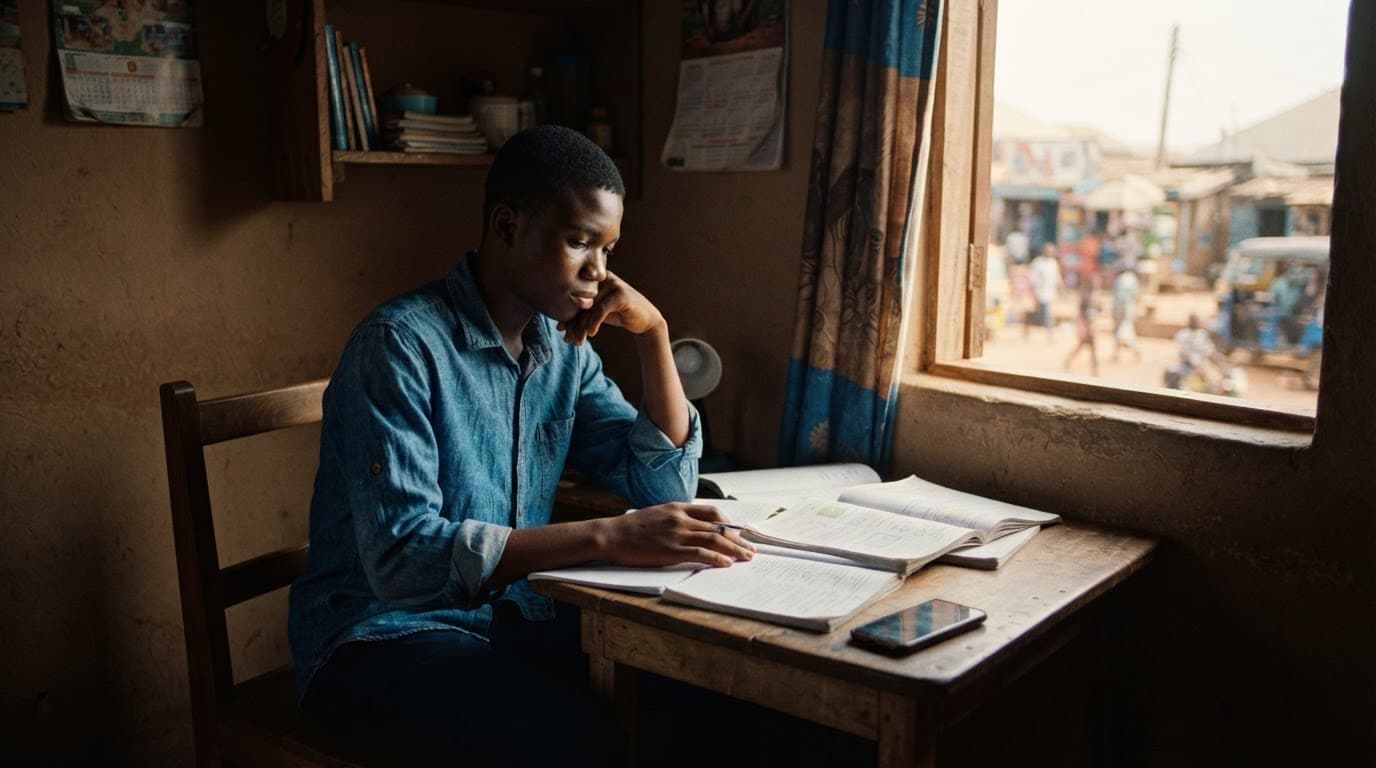
Teenagers carry pressures that adults may not see at first. A child who seems distracted may be worried about WAEC results, university admission, unemployment, friendship conflicts, or money at home.
Academic competition can make a teenager feel that one poor result has ruined everything. Parents can take school seriously without making a child’s value depend on grades. Ask what subject feels hardest, then discuss realistic support, such as a study timetable, a teacher’s help, or a quieter place to read.
Separate pressure from effort
A teenager needs to hear that effort matters, even when results disappoint. Compare their work with their own previous performance, not with a cousin in another school or a friend who has different resources.
Financial stress also changes a child’s behavior. If money is tight, explain what you can in age-appropriate terms. Honest words reduce the fear that grows when teenagers fill gaps with assumptions.
Notice the weight of belonging
Peer influence can feel stronger than parental advice because teenagers want acceptance. They may face pressure to dress a certain way, spend money they do not have, skip school, experiment with alcohol, or join unsafe groups.
Religious and cultural expectations can guide young people, but harsh shame can drive problems underground. Keep family values clear while allowing respectful questions. A teenager who can speak honestly at home is less likely to seek risky answers elsewhere.
What Parental Guidance for Today’s Nigerian Teenagers Looks Like
Parental guidance for today’s Nigerian teenagers is daily relationship work. It includes listening before correcting, setting rules before trouble starts, and showing the conduct you expect at home.
A 13-year-old needs closer supervision than an 18-year-old preparing for independence. Yet personality matters too. One child talks freely, while another needs time and privacy before opening up. Family structure, faith, neighborhood safety, school culture, and access to technology all shape what support looks like.
Build rules that have reasons
Rules work better when teenagers understand the reason behind them. A curfew should connect to safety. Limits on phones should protect sleep, schoolwork, and privacy. Chores should teach that every household depends on shared effort.
Parents should also state what will happen when a rule is broken. A fair consequence is related to the action, limited in time, and applied calmly. Humiliation, insults, and threats may win silence, but they rarely teach responsibility.
Model the behavior you request
Teenagers notice contradictions. A parent who wants honesty should avoid asking a child to tell visitors, “Mummy is not at home,” when she is. An adult who wants respectful speech should not use daily insults during disagreements.
Consistency gives rules their weight. When adults apologize after shouting or making an unfair accusation, they teach accountability. That lesson stays with a young person longer than a lecture.
Respect does not remove parental authority. It gives teenagers a safe way to bring problems home before those problems grow.
Make Hard Conversations Part of Family Life
Many parents wait for a crisis before discussing sex, substance use, mental health, bullying, money, or violence. By then, a teenager may already be relying on rumors and social media comments.
Choose ordinary moments for conversation, such as a walk, a drive, meal preparation, or the time after evening chores. Side-by-side talk can feel less intimidating than a formal meeting across a table.
Ask questions that invite an answer
Instead of asking, “Are you doing something bad?” try, “What are people in your class saying about this?” Then listen without rushing to correct every sentence.
If a teenager shares troubling information, stay calm. Thank them for speaking up, ask what happened, and decide together what needs immediate action. You can still disapprove of a choice while treating your child with dignity.
Speak plainly about health and relationships
Clear information protects young people better than silence. Discuss consent, personal boundaries, pregnancy, sexually transmitted infections, and the right to refuse pressure. Use language your teenager understands, without jokes that make the subject embarrassing.
Mental health needs the same plain approach. UNICEF reported that one in six Nigerian young people aged 15 to 24 surveyed said they often felt depressed, uninterested in things, worried, nervous, or anxious. Read the findings on young people’s mental health in Nigeria, then take persistent sadness, withdrawal, anger, sleep changes, or hopeless comments seriously.
Set Digital Boundaries Without Spying
A phone can connect a Nigerian teenager to school groups, relatives, music, useful tutorials, and friends. It can also expose them to scams, sexual exploitation, cyberbullying, false investment schemes, and damaging comparisons.
Parents do not need advanced technical skills to start. Keep devices out of bedrooms overnight when possible. Agree on screen-free times, especially during meals, study periods, and the hour before sleep. Ask which apps they use and what content appears in their feeds.
Teach privacy as a safety skill
Explain why passwords, intimate photos, location details, and school information should stay private. Remind teenagers that screenshots travel fast, even inside a trusted friendship.
The United Nations guidance on child and youth safety online describes online abuse as a serious threat that requires action from families, platforms, and public institutions. At home, keep the door open for reporting. A teenager who fears punishment may hide harassment or blackmail.
Watch for unhealthy comparison
Social media often displays polished moments, expensive outings, new clothes, and success stories without the full picture. A child may begin to believe everyone else is moving ahead.
Talk about what they see. Ask whether an account makes them feel informed, entertained, pressured, or low. Muting an account, taking breaks, and following useful pages are sensible choices, not signs of weakness.
Raise Responsible, Confident, and Community-Minded Young Nigerians
Home is often the first place where teenagers learn how power and responsibility work. They watch how adults speak to domestic workers, respond to traffic rules, treat public property, and handle small opportunities for dishonesty.
Parental guidance for today’s Nigerian teenagers should prepare young people to act with integrity even when shortcuts look normal. That includes refusing exam malpractice, rejecting bribes, returning money that does not belong to them, and refusing to damage public facilities.
Show what integrity costs and gives
This perhaps is the crux of the matter; because morals in recent time has nose-dived below imaginable limit.
A parent can say, “We do not pay someone to change a score,” even if a shortcut looks tempting. Explain that a certificate gained through cheating becomes a weak foundation when real skill is required.
Young people also need safe ways to speak up. They can report bullying to a trusted adult, refuse to join wrongdoing, or walk away from a dangerous situation. Courage does not require reckless confrontation.
Give teenagers a real place in family life
Assign meaningful responsibilities based on age and ability. A teenager may help plan a market budget, care for a younger sibling for a short period, prepare a meal, or take part in community clean-up work.
These tasks teach more than obedience. They show that a household and a country depend on people who notice what needs doing. Respect for different ethnic groups, religions, and economic backgrounds starts with ordinary family language.
Use School and Community Support Early
Parents should not carry every concern alone. Teachers, school counselors, health workers, faith leaders, extended family members, and youth mentors can offer another steady voice when a teenager needs one.
Choose carefully. The trusted adult should respect confidentiality, avoid shaming, and know when to involve a parent or professional. Tell your teenager who that person is before an emergency happens.
Know when professional help is needed
Seek qualified support if a teenager talks about self-harm, stops functioning at school, uses substances, experiences violence, or shows lasting changes in sleep, appetite, mood, or behavior. Immediate danger requires urgent help from local emergency services, a hospital, or a trusted adult nearby.
Research on school protective factors and adolescent mental health in Nigeria links supportive school conditions with better mental health outcomes. A school visit, a conversation with a teacher, or a request for safer support can make a practical difference.
Keep education plans flexible
University is one path, not the only proof of a meaningful future. Discuss vocational training, apprenticeships, entrepreneurship, technical skills, and work experience with the same respect given to degree plans.
Teenagers need hope grounded in action. Help them identify one next step, such as improving a subject, learning a marketable skill, applying for a program, or speaking to a mentor.
A Simple Parenting Plan for the Next Seven Days
Small, repeated actions change the tone of a home. Use the next week to create more connection without trying to solve every concern at once.
- Schedule one calm conversation with no phone in hand and no rush to judge.
- Review one household rule, explain its purpose, and ask whether it is fair and realistic.
- Check online safety habits together, including privacy settings, unknown contacts, and screen-free hours.
- Plan one shared activity, such as cooking, watching a match, visiting family, or taking a walk.
- Identify one trusted support person your teenager can contact when they do not want to speak to you first.
Ask two direct questions: “What feels hardest right now?” and “What kind of help would make a difference?” Listen long enough to hear the answer beneath the first shrug.
Progress comes through steady connection. A single perfect conversation is less useful than a home where honest talk becomes normal.
A Steadier Home for a Changing Nigeria
Nigerian teenagers need protection, but they also need room to practice judgment. Clear boundaries, honest health conversations, digital awareness, school support, and moral courage give them practical footing.
The strongest form of parental guidance is consistent care. It helps a teenager face pressure without losing their voice, values, or hope. This guidance may focus on Nigerian teenagers; however, it extends to all youths.
Begin with one honest conversation today. Over time, that steady care can help a young person meet a changing Nigeria with wisdom and confidence.



Add comment