 Sir Auditor Uviesherhe
Nigeria’s presidency carries the weight of a diverse nation, while the Catholic Church speaks to the conscience of many communities. Both can help shape public life, but neither should swallow the other’s role. This article became necessary when one sees how the current issue of the Catholic Bishops visit to Aso Rock has been blown beyond reasonable proportions by those who thrive on controversies.
The Presidency and Catholic Church in Nigeria need respectful dialogue, not political control or public hostility. When faith becomes a campaign tool, and every church statement becomes a partisan fight, ordinary Nigerians pay the price.
A healthy relationship begins with clear boundaries, honest criticism, and a shared concern for human dignity.
Presidency and Catholic Church in Nigeria: Different Roles, One Public Responsibility
The president holds a constitutional office. The office exists to protect citizens, manage public institutions, uphold the law, and provide leadership for people of every religion and background.
The Catholic Church has a different calling. It leads worship, teaches faith, supports families, runs schools and health facilities, provides charity, and speaks on moral questions that affect society. Its concern for justice should not surprise anyone. Hunger, unsafe roads, corruption, unemployment, violence, and poor public services all affect real human lives. It is on this basis that the Presentation of the Catholic Bishops to the Presidency should not be seen or interpreted as a political attack.
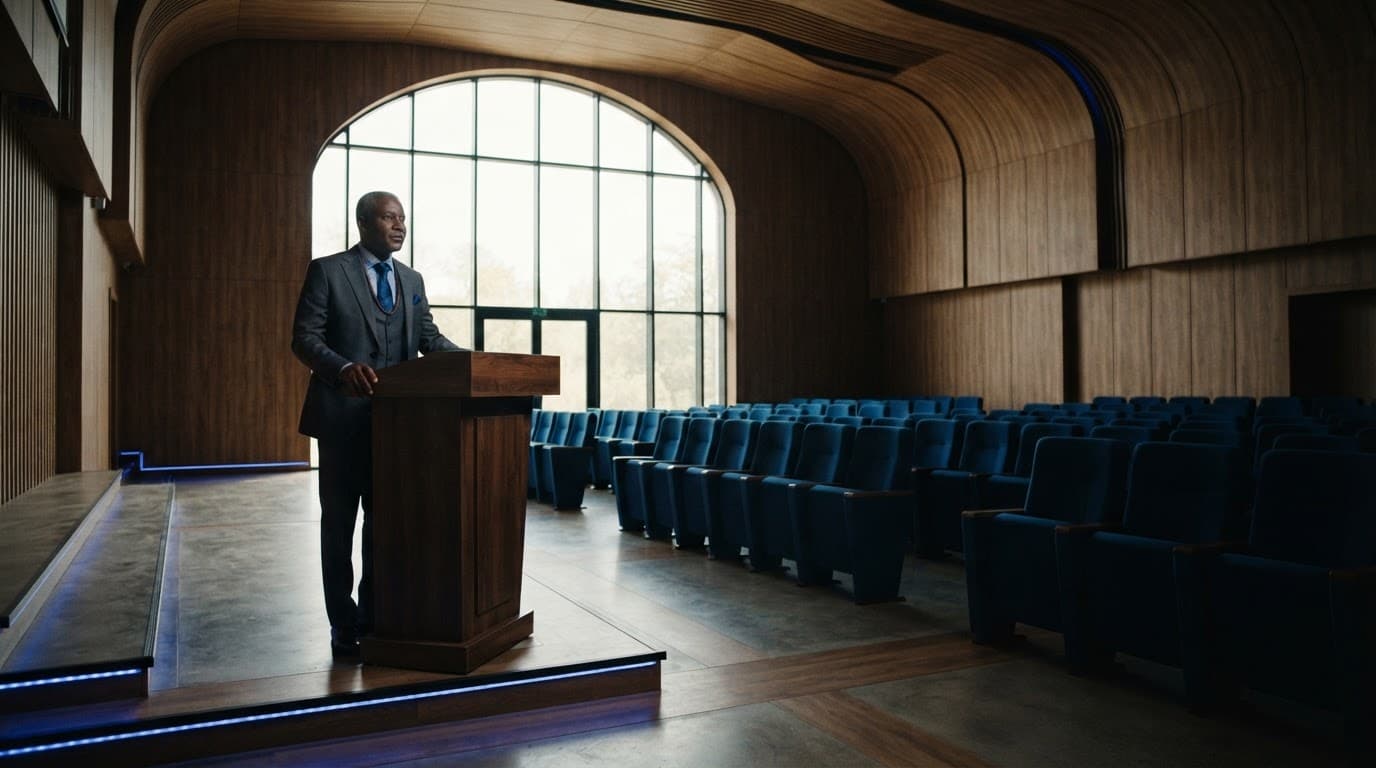
Nigeria has Christians, Muslims, followers of African traditional religions, and citizens who hold no religious belief. Therefore, government cannot treat one group as more Nigerian than another. The Church should remain free to speak, while the presidency must govern with fairness.
Past Nigerian governments have engaged religious and civic bodies in public conversations. A historical account of Catholic Church representation in Nigeria describes outreach to civil society during the Obasanjo era. Consultation is useful when it invites honest views instead of demanding praise.
What the Constitution expects from government and religious bodies
Nigeria’s Constitution protects freedom of thought, conscience, and religion. It also states that the government of the federation or a state must not adopt any religion as its official religion.
That principle does not require religious leaders to stay silent when citizens suffer. A bishop, priest, imam, pastor, or traditional leader can condemn injustice, call for peaceful elections, or question misuse of public funds. Such speech is part of civic life.
However, there is a clear line between moral witness and party machinery. Religious leaders lose credibility when they speak as though one party owns virtue and every rival is evil. Public officials also fail their duty when they treat criticism as disloyalty.
Civic criticism becomes stronger when it asks for facts, lawful action, and results that help every Nigerian.
Why the Catholic Church remains an important voice in public life
The Catholic Church reaches people through parishes, dioceses, schools, clinics, social programs, and local charities. In many towns, its institutions meet families at difficult moments, including illness, bereavement, displacement, and financial hardship.
Catholic social teaching places human dignity at the center. It calls for care for poor people, honesty in public life, solidarity across social lines, and responsibility for the common good. Those values fit Nigeria’s public needs.
Still, the Church is one moral voice among many. Muslim groups, Pentecostal churches, traditional institutions, professional bodies, unions, community associations, journalists, and civil society organizations also have important roles. A country as diverse as Nigeria needs room for every peaceful voice.
Why Politicizing Church and Presidency Relations Can Harm Nigeria
Politics becomes dangerous when it turns every disagreement into a contest of religion, ethnicity, or region. A statement about insecurity can then be dismissed because of who said it, rather than judged by the suffering it describes.
The relationship between the Presidency and Catholic Church in Nigeria suffers when politicians seek religious approval as a shortcut to public trust. The Church also risks harm if citizens believe its leaders speak for a party rather than for justice.
Public confidence is hard to rebuild once it breaks. People may stop listening to a priest who appears tied to candidates. They may also stop trusting a government that responds to moral concerns with insults or threats.
The danger of treating every church statement as a political attack
When church leaders speak about hunger, kidnapping, failed elections, corruption, or unemployment, officials should listen to the substance. Dismissing every concern as opposition politics can hide problems that require urgent action.
The Catholic Bishops’ Conference of Nigeria has issued strong public warnings during periods of national strain. A Council on Foreign Relations report on the bishops’ warning shows how church statements can draw attention to insecurity and national cohesion. Such warnings deserve a serious response, even when officials disagree with the wording.
Religious leaders also have duties. They should check facts before making claims, avoid inflammatory language, and remember that their words affect people beyond their congregations. A public statement should offer moral clarity, not fuel fear.
Accountability is not opposition politics. It is a citizen’s right and a leader’s responsibility.
How religious identity can deepen division during elections
Election seasons often bring out the worst forms of religious labeling. Candidates may present themselves as defenders of Christians or Muslims, while supporters accuse critics of attacking a faith community.
That approach narrows citizenship into a badge. It tells voters to overlook poor leadership because a candidate shares their religion, language, or region. Nigeria deserves better standards.
Voters should examine records, policies, character, competence, and results. Priests should never pressure worshippers to vote for a named party or candidate from the pulpit. Politicians must reject hate speech, threats, and false claims about religious enemies.
A ballot is not a test of religious loyalty. It is a decision about who will manage public power.
A Better Model for Presidency and Catholic Church Engagement
Respectful contact is possible without political capture. The president can meet Catholic leaders, hear concerns, and discuss public needs. Church leaders can speak plainly without demanding special treatment or acting as unofficial government spokespeople.
The best relationship rests on independence, transparency, and service. Meetings should have clear purposes. Public partnerships should state who provides resources, how decisions are made, and who benefits.
Government should offer the same openness to Muslim bodies, other Christian denominations, traditional leaders, and nonreligious civic groups. Equal treatment protects both democracy and religious freedom.
Work together on issues that affect ordinary Nigerians
Cooperation is most credible when people can see practical results. A church-run health program, for example, may work with public agencies during disease outbreaks or maternal health campaigns. Faith-based schools can also join discussions on learning standards, teacher support, and safe facilities.
Other areas deserve practical cooperation:
- Education support for children in underserved communities.
- Food relief and protection for vulnerable families during economic hardship.
- Peacebuilding in communities affected by violence or displacement.
- Youth development programs that teach skills, civic responsibility, and peaceful coexistence.
- Care for internally displaced people, widows, older adults, and people with disabilities.
These efforts should focus on public need, not photo opportunities. Government money must follow procurement rules and public reporting requirements. Church institutions that receive public support should also account for how they use it.
Keep criticism honest, peaceful, and focused on solutions
A mature government does not fear questions. Officials should answer claims with evidence, explain difficult decisions, and correct false information without attacking a person’s faith.
Likewise, church leaders should separate verified facts from rumor. They should discourage violence, reject insults, and avoid turning the altar into a campaign platform. Strong language may attract attention, but careful truth earns lasting trust.
Citizens have a role here as well. Before sharing a dramatic sermon clip or political post, check its date, source, full context, and evidence. Many harmful claims spread because people forward them before they pause.
What Nigerians Should Expect from Both Institutions
Nigerians should expect the presidency to protect rights, improve security, provide public services, fight corruption, and account for public funds. Leadership must be measured by what reaches homes, schools, farms, hospitals, and communities.
They should also expect the Catholic Church to model integrity. Its leaders must care for poor people, protect the vulnerable, speak truthfully, and manage church resources responsibly. Moral teaching has greater force when institutions live by it.
The Presidency and Catholic Church in Nigeria can both earn public trust, but neither should demand blind loyalty.
Signs of healthy engagement instead of politicization
Healthy engagement has visible signs:
- Meetings remain respectful even when participants disagree.
- Public statements rely on evidence and address real problems.
- Partnerships have clear rules and open records.
- Leaders show concern for people outside their own faith communities.
- No worshipper faces pressure to support a party or candidate.
Disagreement is not a national threat. It can protect the public interest when people speak lawfully and listen with discipline.
How young Nigerians can protect the common good
Young Nigerians should learn how government works, follow credible news, and ask hard questions without spreading hostility. A sharp social media post may win applause, yet it can also damage a neighbor’s safety or reputation.
Faith should strengthen integrity, not excuse wrongdoing. Refuse to defend theft, violence, or dishonesty because the person involved shares your church, mosque, party, or ethnic group.
Vote with care. Speak with respect. Support lawful accountability in your school, workplace, community, and online spaces. National character grows through these everyday choices.
A Relationship Built on Service, Not Control
The presidency and the Catholic Church can serve Nigeria well when each respects its proper role. The Church must remain free to speak for justice, while the government must remain accountable to every citizen.
Cooperation without control protects both institutions. It leaves room for criticism without hostility and puts human dignity above religious identity.
A fairer Nigeria grows when leaders and citizens choose truth, service, and the common good over political applause. A prominent Nigerian Catholic prelate like John Cardinal Onaiyekan should NOT be dragged into the muddy waters of politics.





Add comment