 Sir Auditor Uviesherhe
Rising food, cooking fuel, and delivery costs can swallow a Nigerian lunch-pack seller’s profit before the first meal leaves the kitchen. Yet smaller servings can send customers elsewhere, especially when they depend on your lunch to carry them through the working day.
To keep lunch-pack costs low without cutting portions, start with full costing and remove expenses that don’t improve the meal. Careful purchasing and fewer wasted packs can protect both your earnings and the customer’s plate.
Begin by finding out what each pack costs, including the expenses beyond the cooking pot.
How to Keep Lunch-Pack Costs Low Without Cutting Portions
A pack’s selling price means little until you know what remains after expenses. Rice and chicken are visible costs, but gas, containers, and dispatch charges also take their share.
Look for savings across the whole service before changing the food customers receive.
Work out the true cost of every lunch pack
Record the ingredients used for each batch, including oil, seasoning, and small additions that are easy to overlook. Add cooking fuel, packaging, cutlery, cleaning supplies, payment fees, and delivery.
Also allow for your time and a share of equipment replacement costs. Pots and utensils wear out, even when you already own them.
Divide the batch’s full cost by the number of saleable packs it produces. Spoiled meals and damaged packs don’t belong in that count. Then subtract the cost per pack from the selling price to find your profit per pack.
Keep hygiene expenses in the calculation rather than treating them as optional. NAFDAC’s food hygiene guidelines provide guidance on food-handling practices; safe water and proper cleaning remain operating needs.
Recalculate when supplier prices change. Yesterday’s profitable rice-and-stew pack can become today’s loss if you keep using old figures.
Keep portions generous and consistent
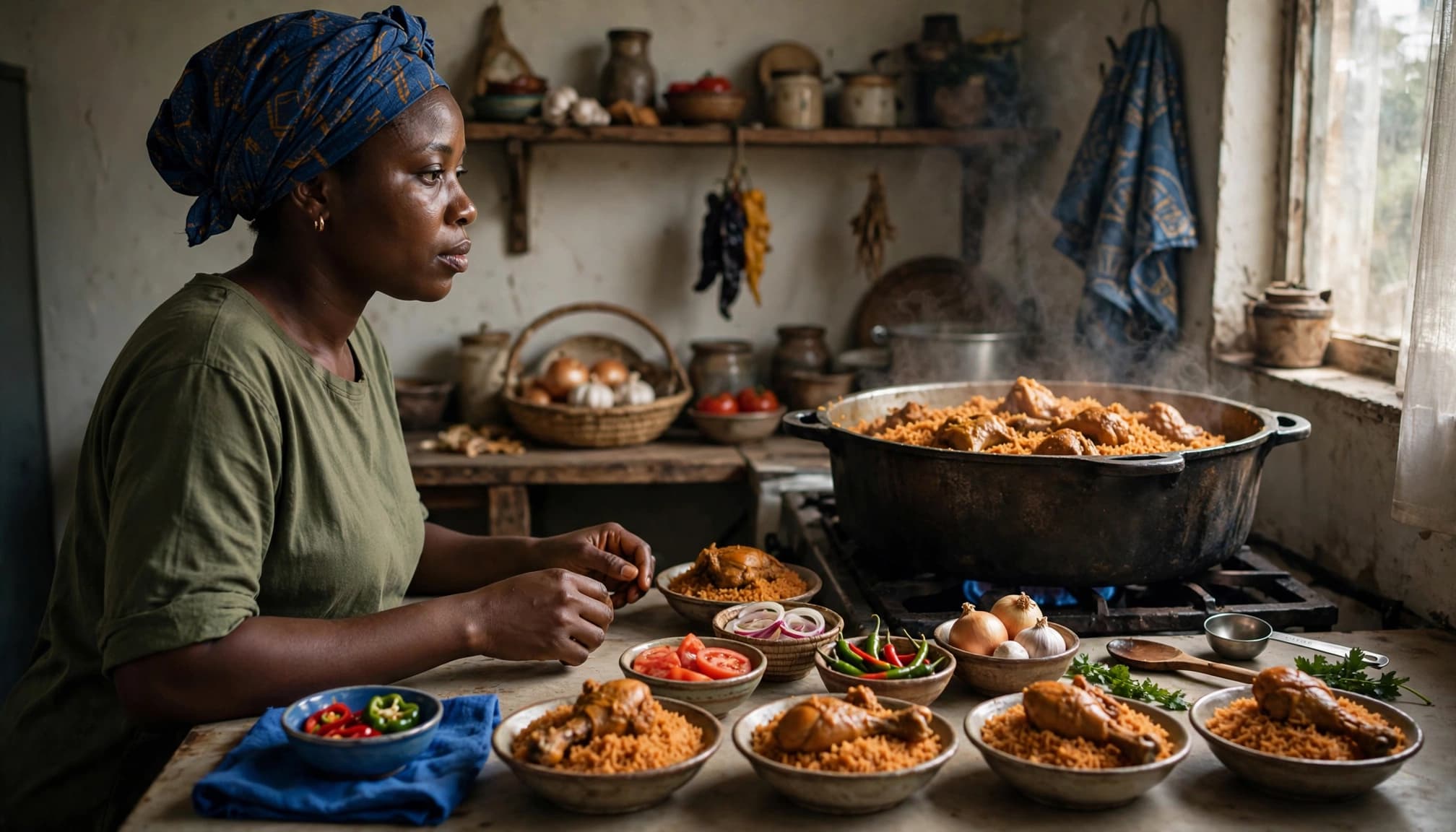
Choose a filling portion you can afford to serve repeatedly. Use the same scoop or weighing scale for cooked rice, beans, and sides, and write down the serving standard.
Chicken portions need attention too. Two packs sold at the same price shouldn’t contain noticeably different amounts of meat. Agree on a consistent size when buying or dividing your protein.
Measurement also prevents accidental over-serving early orders and shortchanging the final customers. Your batch should reach every buyer with the promised quantity intact.
If demand supports it, offer a regular pack and a larger pack with clearly stated prices. However, too many sizes make shopping and packing harder.
Describe what’s included before payment. Customers should know whether plantain, extra stew, or delivery costs more. Consistency makes the meal easier to cost and gives repeat buyers confidence in what they’ll receive.
Buy smarter and build a menu around shared ingredients
Good purchasing starts with confirmed demand. A cheap market purchase offers little value if half of it spoils before customers order.
Use preorders to buy only what you need
Collect orders through WhatsApp, phone calls, or a simple form, then keep them in one record. Include the meal choice, quantity, delivery location, and promised handoff time.
Set an order deadline that leaves enough time for shopping and cooking. Previous-evening orders may suit sellers who shop early or prepare meals alongside another job.
Before buying ingredients, settle the total charge and payment arrangement. For transfers, rely on money received in your account rather than a screenshot alone. Explain cancellation and refund terms before accepting payment.
Start with modest purchases until you understand repeat demand. Rice may store well under suitable conditions, while tomatoes, chicken, and ripe plantain need tighter planning.
Preorders also protect working cash. Money collected for tomorrow’s meals must remain available for tomorrow’s ingredients and delivery, even when other expenses are pressing.
Choose a short menu with ingredients in common
Start with two dependable meals rather than offering every dish you can cook. Jollof rice with chicken and rice with stew share staples such as tomatoes, onions, pepper, and oil.
That overlap shortens the shopping list and reduces partly used ingredients. You can organize preparation around shared ingredients while keeping each dish’s seasoning and cooking method distinct.
Beans with plantain provides another familiar option, but it adds a separate cooking process and ingredients. Offer it when orders justify the work instead of preparing it daily in hope.
Choose dishes you already cook consistently with suitable equipment. A broader menu can increase fuel use and leave several small batches unsold.
Add another meal only when customers request it and your existing service runs reliably. Menu variety should earn its place through orders, rather than absorb cash needed for tomorrow’s cooking.
Compare local suppliers and seasonal prices
Compare more than one nearby supplier using the same quantity and quality. A cheaper measure of rice may contain less than another seller’s measure, so weight gives a clearer comparison.
Include the cost of reaching the market. A lower ingredient price across town may disappear after transport charges and time away from preparation.
Seasonal prices can help you plan affordable sides. However, announce menu changes before customers order rather than replacing an advertised item at packing time.
Bulk buying works best when storage and demand support it. Dry staples and containers may suit larger purchases, while perishables require more caution.
Calculate the saving after transport and expected losses. If bulk buying leaves you short of money for fuel or chicken tomorrow, the discount has weakened the business.
Reduce waste, packaging, and delivery costs without shrinking meals
Savings are easier to protect when they come from fewer unsold meals and fewer journeys. Keep the ordered food intact while tightening the work around it.
Plan batch cooking and prevent food from going unsold
Match batch quantities to confirmed orders, then use your portion standard to estimate the ingredients required. Avoid cooking an extra pot simply because the stove is already on.
Organize preparation before lighting the burner. Wash and portion ingredients, arrange clean utensils, and plan the cooking sequence so equipment doesn’t sit heating unnecessarily.
Record what remains after each service day. Separate preparation waste, canceled orders, and cooked food that nobody bought. Each points to a different problem.
For safety, follow the WHO’s five keys to safer food: keep clean, separate raw and cooked food, cook thoroughly, control temperatures, and use safe water and ingredients.
Keep hot food at 60°C or above and chilled ingredients at 5°C or below. Don’t leave cooked meals at room temperature for more than two hours.
Where electricity is unreliable, avoid advance preparation that depends on refrigeration you can’t maintain. Preventing waste must never mean selling food stored unsafely.
Choose practical packaging and group deliveries
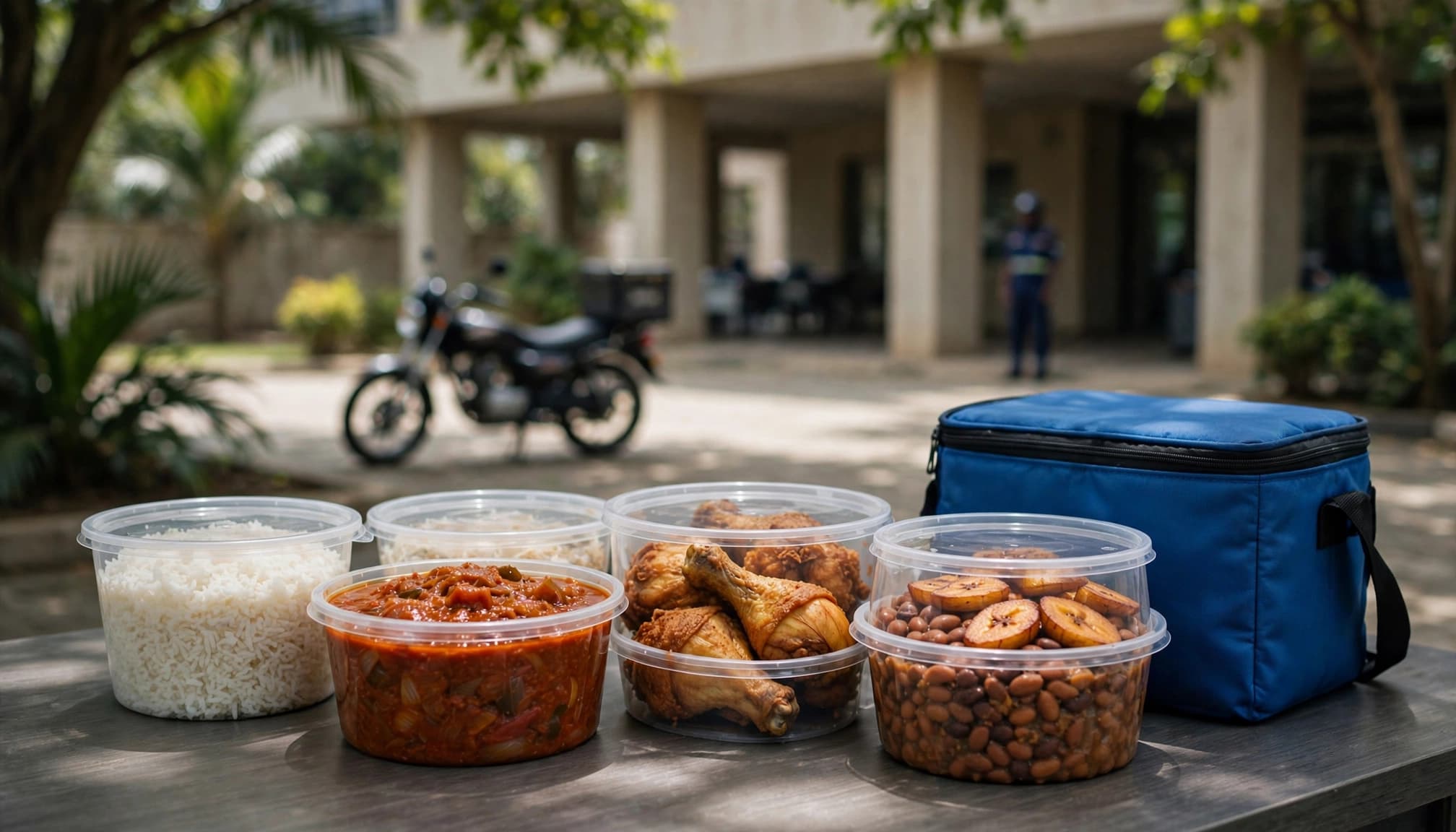
Use clean, food-grade containers with secure lids. Rice needs a pack that holds its portion comfortably, while stew and soup need stronger protection against leaks.
Try containers with your actual meals before buying a large quantity. Compare the usable cost, including lids, rather than choosing the cheapest-looking pack. A leaking container can cost you a refund and a repeat customer.
Avoid decorative outer packaging that adds expense without protecting the food. Also discuss whether regular office buyers need disposable cutlery in every pack.
For delivery, concentrate on nearby customers and combine orders where possible. One office drop-off can serve several buyers without several dispatch trips.
Agree on a delivery window and a named person to receive grouped orders. Keep containers upright, and use suitable insulated transport without treating it as a replacement for temperature control.
Pickup can remove delivery charges entirely when customers find it convenient. However, group deliveries only when the route still gets meals to buyers safely and on time.
Track results and adjust prices before profit disappears
A busy kitchen can hide weak earnings. Review your records often enough to catch rising costs before they become a week of losses.
Keep a simple daily record of sales and expenses
A notebook or spreadsheet is enough if you update it consistently. Record packs sold, revenue, ingredient spending, fuel, packaging, payment fees, delivery, refunds, and waste.
Keep receipts where possible. Also note ingredients left in stock, because today’s purchase may supply more than one cooking day. Charging the entire purchase to one batch can distort that meal’s cost.
Separate business money from household spending. Otherwise, a healthy-looking sales total can vanish before the next market trip.
Advance payments are money committed to future meals, not cash available for household spending.
At the end of each week, compare dishes by actual profit and repeat orders. A popular chicken meal may earn less than beans with plantain because its protein or packaging costs more.
Record late deliveries and complaints as well. These can reveal route problems that sales figures miss. Pay yourself after meeting business costs, then reserve enough for the next service day.
Choose fair prices and clear add-on charges
Set prices using the full cost per pack, including a reasonable allowance for your work and equipment. Your labor shouldn’t become the invisible subsidy that keeps meals cheap.
Then compare the proposed price with what your nearby customers can afford. If the figures don’t work, examine supplier choice, menu complexity, packaging, and delivery before accepting orders.
State exactly what the pack includes. List extra chicken, plantain, additional stew, and delivery charges separately when they aren’t part of the standard meal.
Calculate discounts and free-delivery offers before announcing them. An offer that attracts orders can still leave you with less money after expenses.
When costs rise beyond available savings, explain a price adjustment plainly and give customers notice. Keep already agreed orders at their agreed terms.
Customers can decide whether a clearly priced meal suits their budget. Hidden portion reductions deny them that choice and weaken the trust that repeat orders depend on.
Protect the Meal and the Customer’s Trust
Affordable lunch packs don’t need smaller portions. Preorders, a focused menu, careful buying, and consistent serving sizes give you better control over what each meal costs.
Less waste and grouped deliveries protect earnings without taking food off the customer’s plate. Regular cost reviews also show when a transparent price change becomes necessary.
Test one change at a time and compare the results before expanding it. Keep customer trust at the center: the portion you promise should be the portion you deliver.




Add comment